


I Only Have Water in My Basement Once a Year. Is It Worth Fixing?
It happens every spring.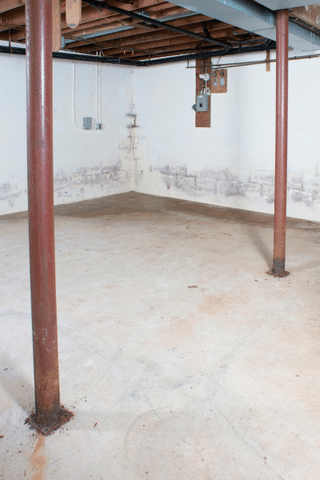
Or maybe only after the biggest storm of the year.
For many homeowners, basement water isn't a constant problem. It's something that happens once, they clean it up, and then they don't think about it again until the following year.
Because it happens so infrequently, it's easy to convince yourself that it isn't a big deal.
"It's only a little water."
"It only happens once a year."
"I'll deal with it if it gets worse."
While that way of thinking is understandable, even occasional water intrusion can be a sign that your home is trying to tell you something. In many cases, the issue won't resolve itself, and waiting can allow the underlying problem to become more expensive over time.
Why Does It Only Happen Once a Year?
Basement leaks are often triggered by specific conditions rather than everyday weather.
For example, your basement may stay completely dry during light rain but leak when:
-
Snow melts rapidly in the spring
-
Several days of rain saturate the soil
-
A major thunderstorm overwhelms the ground around your home
-
Frozen ground prevents water from draining properly
-
The groundwater table rises after prolonged wet weather
These conditions increase hydrostatic pressure, which is the force water places against your foundation. As pressure builds, water looks for the easiest path inside.
That path might be:
-
A small foundation crack
-
The joint where the wall meets the floor
-
Around utility penetrations
-
Through porous concrete
-
Near a basement window
The leak isn't random. It simply takes a specific set of conditions for enough pressure to build.
A Small Leak Is Still a Leak
If your basement only gets a few cups of water once a year, it may not seem urgent.
But even small amounts of water can lead to bigger problems over time.
Repeated moisture can contribute to:
-
Mold and mildew growth
-
Musty odours
-
Damaged drywall or flooring
-
Warped wood
-
Rust on appliances
-
Higher humidity levels
-
Damage to furniture and stored belongings
You may clean up the water in an hour, but the moisture left behind can linger much longer.
Water Problems Rarely Stay the Same
One of the biggest misconceptions homeowners have is that if a basement has leaked the same way for years, it will always stay that way.
Unfortunately, basement water problems often change over time.
A small damp spot can become a puddle.
A puddle can become standing water.
A hairline foundation crack can slowly widen as soil shifts and seasonal weather affects your foundation.
Ontario experiences freeze-thaw cycles, heavy spring rains, summer thunderstorms, and changing soil conditions throughout the year. All of these factors can place additional stress on your home's foundation.
What seems manageable today may become a much larger repair in the future.
Think Beyond the Water You Can See
Visible water is only part of the story.
Moisture can also collect behind finished basement walls, beneath flooring, or inside insulation where it may go unnoticed.
By the time you notice peeling paint, warped flooring, or a musty smell, hidden moisture may have already caused damage.
This is especially important if your basement is finished or used as a living space.
What If You're Planning to Finish Your Basement?
If you're thinking about renovating your basement, addressing water issues beforehand is one of the smartest investments you can make.
Finishing a basement without solving even a minor leak can trap moisture behind drywall and flooring, leading to expensive repairs later.
A dry basement provides a much better foundation for any renovation project.
Temporary Cleanup vs. Long-Term Protection
Many homeowners rely on towels, shop vacs, or fans every time water appears.
While these tools help clean up after the fact, they don't prevent the next leak.
Depending on the source of the water, a long-term solution may include:
-
An interior drainage system to collect water before it reaches your basement floor
-
A reliable sump pump system to safely discharge groundwater
-
A foundation crack repair for isolated wall leaks
-
A basement dehumidifier to control excess moisture and improve air quality
The right solution depends on why the water is entering in the first place.
"But It Doesn't Happen Every Year..."
Even if your basement skipped a year, that doesn't necessarily mean the problem is gone.
Weather patterns change from year to year.
One season may be relatively dry, while the next brings record-breaking rainfall or rapid snowmelt.
Many homeowners don't experience another leak until the next major weather event, when the conditions that caused the original problem return.
Prevention Is Usually Less Expensive Than Restoration
After a basement flood, homeowners often face more than just water removal.
They may also need to replace:
-
Drywall
-
Flooring
-
Furniture
-
Electronics
-
Family keepsakes
-
Storage boxes
-
Insulation
Not to mention the time and stress involved in cleaning everything up.
Addressing a water issue before it worsens can often save both money and frustration.
So, Is It Worth Fixing?
If water has entered your basement even once, the answer is usually yes.
That doesn't necessarily mean you'll need a major waterproofing project. Some homes require a relatively simple solution, while others benefit from a more comprehensive approach.
The important thing is understanding why the water entered in the first place.
Protect Your Basement Before the Next Heavy Rain
Water has a way of finding the smallest opening, and once it finds a path into your home, it's likely to use it again when conditions are right.
At Basement Systems Toronto, we help homeowners find long-term solutions to basement water problems, whether they happen every week or only once a year. During a free, no-obligation on-site estimate, one of our specialists will identify where the water is coming from and recommend the right solution for your home. Depending on the source of the problem, that may include a WaterGuard® Interior Drainage System, a TripleSafe™ Sump Pump System, a FlexiSpan® crack repair, or a SaniDry™ Sedona dehumidifier to help keep your basement dry and comfortable year-round.
When it comes to basement water, the goal isn't just to clean up after the next storm. It's to stop the problem before it has the chance to come back.
