


Why Do Foundation Cracks Reappear?
Few things are more frustrating than repairing a foundation crack, only to notice it reopening months or years later.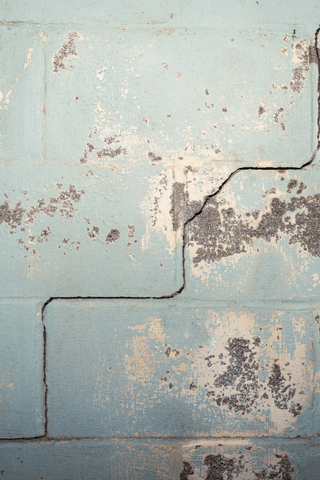 Many homeowners assume the original repair failed, but in reality, a recurring crack often points to a deeper issue that was never addressed.
Foundation cracks don't usually appear without a reason. If the cause of the crack is still affecting your home, it's possible for the crack to return or for new cracks to develop nearby.
Understanding why this happens can help you choose a long-term solution instead of a temporary fix.
Not All Foundation Cracks Are the Same
Concrete naturally shrinks as it cures, so small hairline cracks are common in many homes. These are often cosmetic and may never cause problems.
Other cracks, however, can signal water intrusion, foundation settlement, or pressure from the surrounding soil.
Some of the most common types include:
-
Vertical cracks
-
Horizontal cracks
-
Stair-step cracks in masonry walls
-
Diagonal cracks
-
Floor cracks
The location, size, and direction of a crack can provide important clues about what's causing it.
Why Do Cracks Come Back?
The Original Problem Was Never Fixed
Sealing a crack may stop water from entering, but it doesn't stop the forces that caused the crack in the first place.
For example, if hydrostatic pressure continues to push against your foundation walls or the soil beneath your home continues to settle, the repaired crack may reopen over time.
The key is identifying and correcting the underlying cause rather than simply covering the symptom.
Foundation Settlement Continues
Homes naturally settle during their lifetime, especially during the first few years after construction. However, excessive settlement can continue if the soil beneath the foundation shifts or loses its ability to support the home's weight.
Several factors can contribute to ongoing settlement, including:
-
Expansive clay soils
-
Poor soil compaction
-
Erosion
-
Changes in moisture levels
-
Prolonged drought followed by heavy rainfall
As the foundation continues to move, repaired cracks may widen or new cracks may appear elsewhere.
When settlement is the cause, foundation stabilization systems such as push piers may be recommended to permanently support and stabilize the home.
Hydrostatic Pressure Hasn't Changed
When the soil around your home becomes saturated, water builds up against the foundation walls. This creates hydrostatic pressure that can force water through cracks and place stress on the concrete.
Even if a crack has been repaired, continued pressure can cause movement or create new points of weakness.
Managing groundwater with an interior drainage system and a reliable sump pump helps reduce the amount of water pressing against the foundation.
The Wrong Repair Method Was Used
Not every crack requires the same repair.
Some quick fixes, such as surface patching with hydraulic cement or applying waterproof paint, may temporarily hide a crack but do little to address movement or water intrusion.
If the foundation continues to shift, rigid repair materials may separate from the concrete and allow the crack to reopen.
For leaking cracks that are no longer actively moving, flexible repair systems such as FlexiSpan® are designed to accommodate minor movement while helping keep water out.
Foundation Walls Are Continuing to Bow
Horizontal cracks or inward movement of foundation walls often indicate pressure from expanding soil outside the home.
Simply filling these cracks does not stop the wall from moving.
Depending on the severity of the problem, wall stabilization systems such as PowerBrace™, GeoLock™ Wall Anchors, or EverBrace® may be recommended to stabilize or restore the wall while preventing further movement.
Seasonal Changes Can Affect Your Foundation
Toronto experiences a wide range of weather throughout the year.
Heavy spring rains, dry summers, autumn moisture changes, and winter freeze-thaw cycles all cause soil to expand and contract.
These seasonal changes place ongoing stress on foundations and can contribute to new or recurring cracks over time.
When Should You Be Concerned?
Not every crack requires immediate structural repair, but certain warning signs should not be ignored.
Watch for:
-
Cracks that continue to grow
-
Horizontal cracks
-
Stair-step cracks in brick or block walls
-
Water entering through foundation cracks
-
Bowing foundation walls
-
Uneven floors
-
Doors or windows that suddenly stick
-
Gaps forming around windows or door frames
These symptoms often indicate that the problem extends beyond the crack itself.
A Crack Is Often a Symptom, Not the Problem
Think of a foundation crack like a warning light on your vehicle's dashboard.
Turning the light off doesn't fix the engine, and filling a crack doesn't always solve the issue that caused it.
The goal is to identify why the crack formed in the first place and choose a solution that addresses the underlying problem.
Find the Right Solution for Your Foundation
If you've noticed a crack returning or new cracks appearing, it may be time to have the problem evaluated.
At Basement Systems Toronto, our foundation specialists provide free, no-obligation on-site estimates to determine what's causing the movement and recommend the most appropriate solution for your home. Whether it's a leaking foundation crack that can be repaired with FlexiSpan®, a settling foundation that requires stabilization, or a bowing wall that needs reinforcement with PowerBrace™, GeoLock™ Wall Anchors, or EverBrace®, we'll help you understand your options so you can make an informed decision.
Addressing the cause of a foundation crack, rather than simply covering it up, is the best way to protect your home for years to come.
